
- Favorites Review and save your favorite vehicles.
- Sign In Find used cars for sale near you at Enterprise Car Sales. Shop online or visit a dealership, value your trade, apply for financing, & schedule a test drive.
- My Account Find your account information, including favorite vehicles, notification and communication preferences for Enterprise Car Sales.
- Help & Resources Have questions about buying a used car? Browse Enterprise Car Sales' FAQs to find answers about the used car buying process, financing, car delivery, and more.
- Our Locations Find Enterprise Car Sales locations near you by entering your ZIP code, selecting your state, or using your location.
Serpentine belt vs. timing belt: What’s the difference?
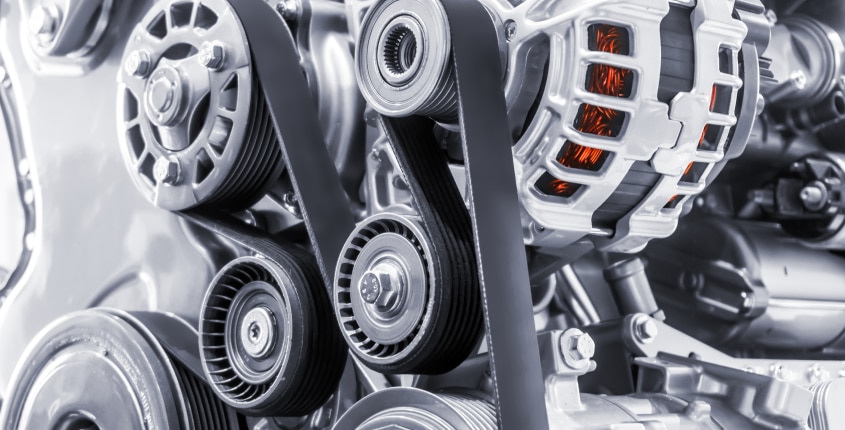
Your vehicle's engine relies on a few critical components to run smoothly and reliably. Among the most important are the serpentine belt and the timing belt (or chain). While they may sound similar, these parts perform very different jobs. Understanding the difference between them is essential for any car owner, as neglecting their maintenance can lead to serious and expensive problems.
This guide will break down what each belt does, how they work and the warning signs that could be telling you it's time for replacement.
With consistent upkeep and attention to the advice in the vehicle’s owner’s manual or manufacturer’s website, you can help ensure your vehicle has optimal performance and less downtime. And it doesn’t have to be time-consuming or labor-intensive — it can be as simple as regularly checking your tire pressure, having your oil changed and getting your brake pads checked.
Key Takeaways
- Serpentine belt: Powers your car's accessories, such as the alternator, water pump, power steering and air conditioning. It's visible on the outside of the engine.
- Timing belt (or chain): Synchronizes the engine's internal moving parts, specifically the crankshaft and camshaft, ensuring the valves open and close at the correct time. It’s located inside the engine, protected by a cover.
- Failure of a serpentine belt will cause accessories to stop working and can lead to engine overheating.
- Failure of a timing belt can cause catastrophic engine damage, as pistons can collide with valves.
- Replacement: Both belts have recommended replacement intervals which can be found in the vehicle’s owner’s manual or on the manufacturer’s website.
The difference between timing belts and serpentine belts
Serpentine Belt |
Timing Belt (or Chain) |
|
| What does it do? | The serpentine belt powers vital engine components like the alternator, water pump, power steering pump and air conditioning compressor. Also helps reduce engine noise and vibration. | The timing belt ensures the engine’s valves open and close at the right time in relation to piston movement, allowing proper fuel and air intake, compression, combustion, and exhaust. |
| How does it work? | The belt snakes or runs through around multiple pulleys attached to engine components. It is driven by the crankshaft pulley, which provides rotational power while the engine runs. | It connects the crankshaft and the camshaft, which work together to maintain proper engine timing. Internal teeth grip sprockets and a tensioner keeps the belt tight to prevent slipping. |
| What is it made of? | Rubber, reinforced with fiberglass, allows the serpentine belt to flex continuously while powering key engine components. | Timing belts are made of reinforced synthetic rubber and tend to be quieter and more efficient than chains. They’re also lightweight, less expensive to replace. Timing chains are made of metal (primarily steel) and have longer lifespans than timing belts, as well as greater resistance to slipping and stretching. |
When to replace your serpentine belt
There are a few signs that could be telling you it's time to replace the serpentine belt. If you notice any of these issues, it’s recommended that you take your vehicle to a trusted mechanic so they can investigate further. Watch for:
- A squealing noise coming from the engine compartment, indicating slipping or wear
- The power steering and air conditioning systems not working as they should (or at all)
- The engine overheating, which could mean the water pump isn’t being powered properly
Why do serpentine belts wear out?
Wear for serpentine belts is typically caused by:
- Heat and age
- Misaligned pulleys
- Weak tensioners
- Exposure to oil or coolant
- Normal rubber degradation over time
What happens if a serpentine belt breaks while driving?
The engine will continue running, but critical accessories will stop functioning. Depending on the vehicle, you may immediately lose:
- Power steering
- Alternator/charging system
- A/C
- Water pump (in some vehicles), causing rapid overheating
If your vehicle's serpentine belt breaks, it needs service and is not safe to drive.
When to replace a timing belt or chain
Signs your car may need a new timing belt include:
- A ticking or squealing noise from the engine or belts
- Engine performance issues, like overheating, decreased power or trouble starting
- An illuminated "Check Engine" light
- Oil leaks
- Visible cracks or fraying on the belt
Of course, many of these symptoms can be warning signs for other issues, so it’s important to have a professional inspect your vehicle.
Is a timing chain better than a timing belt?
Timing chains are generally more durable and last longer than timing belts, often for the lifetime of the vehicle. However, they can be noisier and more expensive to replace if they fail. Timing belts, on the other hand, require regular replacement but are quieter and lighter.

Engine parts glossary
Not everyone’s a car expert, so here’s a breakdown of some of the lesser-known vehicle terms and parts mentioned above.
Crankshaft
The crankshaft is an engine component that converts piston movement into rotational power. It drives the serpentine belt and plays a critical role in engine timing.
Camshaft
The camshaft controls when the engine’s valves open and close. It works together with the crankshaft, using the timing belt or chain to stay perfectly synchronized.
Engine Valves
Engine valves regulate the flow of air and fuel into the engine and exhaust gases out. Proper valve timing is essential for engine performance and efficiency.
Pistons
Pistons are moving parts inside the engine that compress fuel and air to create power. Their movement must be precisely timed with the valves to avoid engine damage.
Alternator
The alternator generates electricity while the engine is running. It charges the battery and powers electrical systems such as lights, infotainment and climate controls.
Water Pump
The water pump circulates coolant through the engine to prevent overheating.
Power Steering Pump
This pump provides hydraulic pressure that makes steering easier.
Air Conditioning Compressor
The AC compressor pressurizes refrigerant to cool the car cabin. If the serpentine belt breaks, the air conditioning system will stop working.
Pulley
A pulley is a wheel that guides and supports the serpentine belt as it transfers power to engine components. Worn pulleys can cause belt noise or failure.
Crankshaft Pulley
The crankshaft pulley connects the crankshaft to the serpentine belt, distributing engine power to accessories like the alternator and AC compressor.
Belt Tensioner
A belt tensioner keeps the serpentine or timing belt properly tightened. A failing tensioner can cause squealing noises, belt slipping or premature wear.
Idler Pulley
An idler pulley helps guide the belt and maintain proper alignment. While it doesn’t power anything directly, it plays a key role in belt longevity.