
- Favorites Review and save your favorite vehicles.
- Sign In Find used cars for sale near you at Enterprise Car Sales. Shop online or visit a dealership, value your trade, apply for financing, & schedule a test drive.
- My Account Find your account information, including favorite vehicles, notification and communication preferences for Enterprise Car Sales.
- Help & Resources Have questions about buying a used car? Browse Enterprise Car Sales' FAQs to find answers about the used car buying process, financing, car delivery, and more.
- Our Locations Find Enterprise Car Sales locations near you by entering your ZIP code, selecting your state, or using your location.
Sunroofs: Pros and Cons
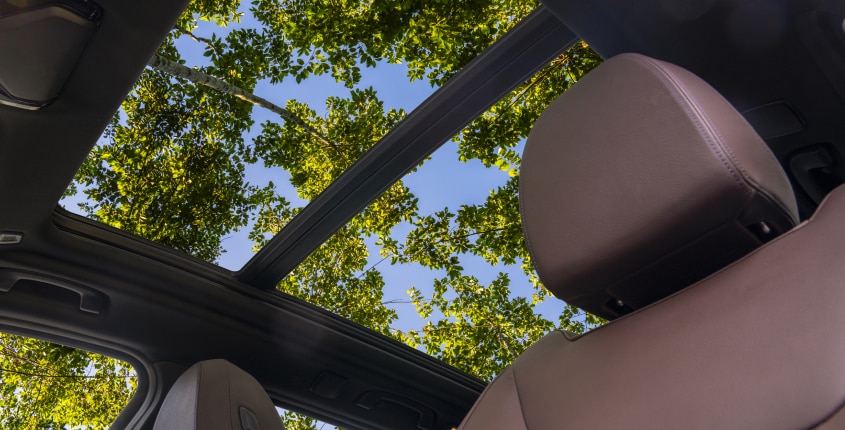
Sunroofs are often an in-demand car feature, adding an extra touch of comfort and style. But, before you buy, there are a few practical factors you’ll want to take into account. Here are some sunroof pros and cons that are worth considering while you’re shopping for a used vehicle.
Key Takeaways
- Sunroofs add brightness and fresh air, making the cabin feel more open and enjoyable on long drives.
- They can enhance driving comfort and resale appeal, as many buyers view them as a desirable premium feature.
- Potential drawbacks include higher costs, reduced headroom, added weight that can impact fuel efficiency and possible long-term maintenance issues.
- Different sunroof styles offer varied benefits, from simple pop-up designs to large panoramic roofs that maximize natural light.
- Best for drivers who value comfort and ambiance, while those prioritizing cost, durability or interior space may prefer a vehicle without.
What is a sunroof? Is it different from a moonroof?
Nowadays, consumers, dealerships and even manufacturers tend to use the two terms interchangeably, but in the past, a sunroof and a moonroof were two different things. Where a traditional sunroof was an opaque panel that could be tilted or removed, traditional moonroofs were glass panels that could let in light even when closed and be tilted or slid open to allow for some outside air.
To keep things simple, we’ll continue on from here using “sunroof,” which tends to be the most commonly used choice, even though most modern vehicles have what would’ve historically been called a moonroof.
Pros: The benefits of sunroofs
It’s no wonder sunroofs are a popular feature in many vehicles — there’s a lot to like about them:
- Natural light - Sunroofs can make the cabin feel brighter and more spacious, which is great for long journeys.
- Ventilation - When opened they add a source of fresh air without the strong gusts from an open window.
- Enhanced driving experience - Whether open or closed, the additional glass roof makes those scenic routes even more enjoyable.
- Resale appeal - Many buyers view sunroofs as a desirable option, which can help with resale value.
Cons: The drawbacks of sunroofs
Just like any feature, there are some downsides to owning a vehicle with a sunroof you may want to consider when making a decision:
- Higher cost - The presence of a sunroof typically increases the vehicle's purchase price as it’s often viewed as a premium feature.
- Reduced headroom - The mechanism and housing for a sunroof can slightly reduce interior headroom, which is worth taking into account if you or your usual passengers are on the taller side.
- Increased fuel consumption – Driving with the sunroof open, especially on the highway, can have a small, but noticeable effect on fuel efficiency.
- Increased heat - With the sun beating down, the glass of a sunroof can have a greenhouse effect, letting extra heat into the cabin. Thankfully, most have a shade that can be closed when not in use.
- Potential for mishaps, leaks and mechanical failures - Some of the issues that can pop up over time include water leaks from degraded seals and mechanical failures. There’s also the risk of water damage to the car’s interior if you ever forget to close the sunroof and it starts to rain.
The different types of sunroofs
Sunroofs come in several different designs, each offering a varying balance of light and ventilation. Understanding the options will help you choose the style that best suits your priorities and preferences.
- Built-in – These typically allow for ventilation by raising the rear of the panel or opening fully by sliding back between the vehicle’s roof and headliner. Glass versions of these (the most common) often have sunshades that can slide separately to block out sunlight.
- Panoramic – Usually consisting of glass panels in both the front and rear, panoramic sunroofs give you the most open air-like experience, with most or all of the roof panels letting in sunlight. On some vehicles, one or more of these panels can open to allow for ventilation.
- Pop-up – Less common in modern vehicles, pop-up roofs can vent like a built-in sunroof or moonroof, but need to be removed entirely and stored (typically in the trunk) if you want a full open-air experience.
Is a sunroof right for me?
Ultimately, whether a sunroof is right for you depends on your priorities, your typical drive and the weather where you live. If you value light, fresh air and a more premium feel, it can be a worthwhile addition. If practicality, cost and long-term reliability are your main concerns, a solid roof may be the better choice.
- A sunroof is great for: Commuters in mild climates, families who take scenic drives and anyone who wants to make their car feel more spacious and luxurious.
- You might want to skip it if: You are very tall, live in an area with frequent extreme rain or heat, prioritize a quiet cabin, or are trying to minimize spending on a new vehicle.
The best way to see what you like? Drop by your local Enterprise Car Sales dealership where you can test drive vehicles with and without sunroofs to see which type suits you.
